
Fashion on Film: The Lasting Legacy of The Devil Wears Prada
Few films have left a mark on fashion culture the way The Devil Wears Prada has, and its recently released sequel is already stirring up conversation. Whether you’re a die-hard fan or just here for the love of fashion films, there’s something about this movie that continues to capture people’s attention. Sure, it highlights designer labels and unforgettable lines, but its true impact is how it turns fashion into something bigger than just clothes. It’s a story, a mood, and a look into the process behind the final image we see. With the sequel now here, revisiting the original offers a chance to see not only why it became iconic, but also how the fashion industry has evolved since 2006.
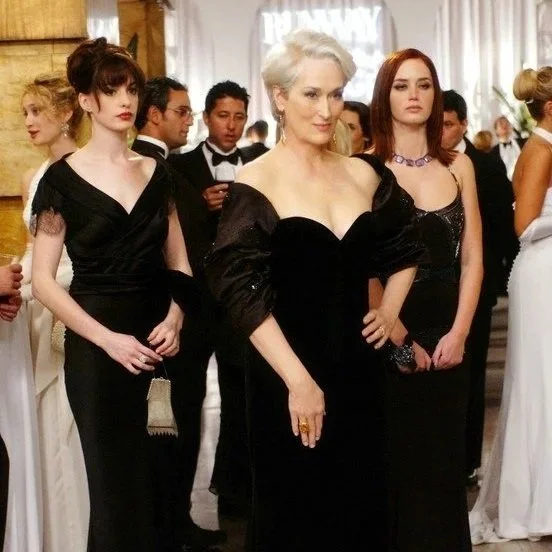
In the original The Devil Wears Prada, the wardrobe is basically an entire theme. Andy Sachs’ early outfits are relatable to anyone who has ever shown up to a nicer event feeling slightly underdressed (I definitely can relate!). As Andy’s style progressively evolves, so does her confidence. Meanwhile, Miranda Priestly doesn’t just wear clothes; she dresses with a sense of power. Her icy neutrals and silhouettes say more than her words. It’s proof that in fashion, you can make a statement without saying anything at all. It can reveal our personality and the way we choose to present ourselves.
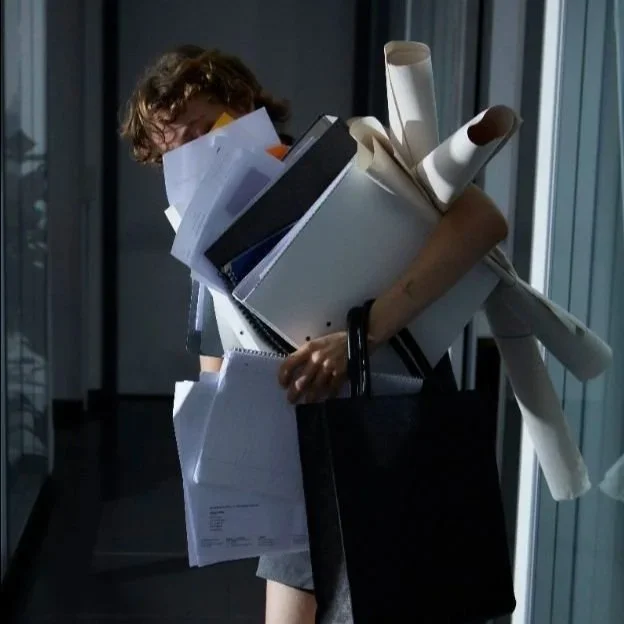
But The Devil Wears Prada isn’t just about stunning outfits. It also offers a behind-the-scenes glimpse of the fashion industry. Viewers see the deadlines, the drama, and the coffee runs that could make or break your career. (Of course, some moments are dramatized for entertainment.) If you thought fashion was only about cute clothes, this film challenges that idea by highlighting the hard work and very real pressure behind magazine covers.
What’s interesting is how much the fashion world has evolved since 2006. Back then, editors like Miranda had the ultimate say in what went and what didn’t. Fast-forward to today: social media and a single viral #OOTD can influence trends almost overnight, transforming the way people discover and participate in fashion. The original reflected a time when fashion magazines had a major influence, while the sequel steps into a world where technology allows trends to come quickly and from anywhere.
Part of what made The Devil Wears Prada so memorable was the way it introduced many people to the world behind the fashion industry. For many, fashion is something they experience every day but rarely see from the inside. The film showed audiences that the final image presented to the public is only one part of a much larger process. What appears effortless on the outside typically involves much more work behind the scenes.
Ultimately, The Devil Wears Prada has remained iconic because it represents more than just a moment in fashion history. It shows the creativity and challenges that exist within the industry. While the industry has transformed since 2006, the film continues to connect with audiences because it reminds us why people are drawn to fashion in the first place: the ability to create something meaningful and share stories